


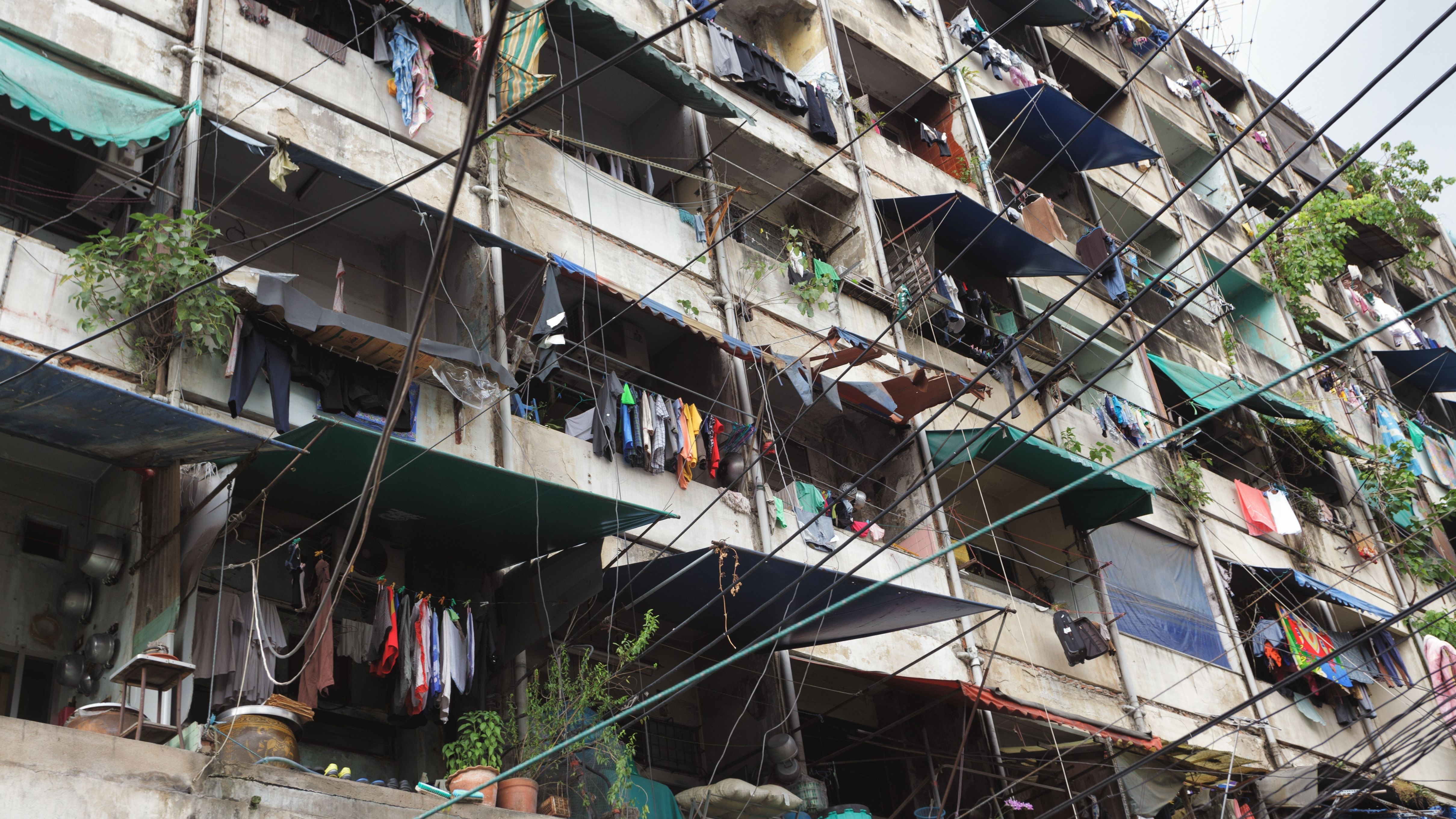
On the International Day for the Eradication of Poverty, Revolusolar Calls for Action Against Energy Poverty and Highlights Lessons from China’s Renewable Transition
The Asian country eliminated energy poverty through long-term planning, investment in renewables, and inclusive policies. This model offers pathways for Brazil to advance toward a just energy transition.
On the International Day for the Eradication of Poverty, Revolusolar draws attention to one of Brazil’s most pressing development challenges: energy poverty — a condition that deprives millions of families of stable, safe, and affordable access to energy, limiting education, healthcare, income generation, and overall quality of life. While Brazil continues to expand its renewable energy capacity, inequality in access remains profound. China, by contrast, has become a global reference by eradicating energy poverty as part of its national development strategy, achieving 100% electrification in 2020 and integrating clean energy, social inclusion, and the reduction of extreme poverty.
According to data from the World Bank and China’s National Energy Administration, the country combined massive investment in electrical infrastructure with economic incentives, community-based solar programs, and integration with agricultural and industrial policies. The results were transformative: around 4 million families increased their income through the sale of surplus solar energy, 100,000 villages were electrified, and 26 GW of renewable energy were installed under the Photovoltaic Poverty Alleviation Program alone — equivalent to 26 Belo Monte hydropower plants.
China’s experience offers concrete lessons for Brazil, particularly in regions where communities still depend on diesel, firewood, or unstable energy sources, such as the Amazon and the semi-arid regions.
China’s strategy was built on five main pillars:
- Universal rural electrification infrastructure: National programs such as Village Electrification and Power to Every Household expanded grid access or installed individual solar systems in all villages between 2002 and 2015.
- Social tariffs and robust subsidies: Low-income households received direct discounts per kilowatt-hour and exemptions from basic fees, reducing the burden of energy costs on family budgets.
- Community solar programs with income generation: The PV Poverty Alleviation Program (2014–2020) installed individual and community solar systems, guaranteeing income for families through the sale of surplus electricity to the grid — a mechanism that does not currently exist in Brazil.
- Integration with economic development policies: Energy access enabled electric irrigation, refrigeration, agricultural mechanization, and local small industries, creating a virtuous cycle of productivity and income.
- Centralized governance with mandatory targets: China aligned planning, financing, and implementation under strict national goals, monitored at provincial and municipal levels.
This process took approximately 25 years, consolidating one of the largest energy inclusion efforts in modern history.
Brazil has made important advances through programs such as Luz para Todos and the Social Electricity Tariff, but it still lacks a national goal to eradicate energy poverty. According to Revolusolar, Brazil can adapt elements of the Chinese model while respecting local realities by:
- Establishing a legal national target for the eradication of energy poverty;
- Creating a national fund for energy communities, financed by the CDE, BNDES, climate funds, and private partnerships;
- Allowing communities to sell surplus solar energy through social tariff mechanisms or dedicated auctions;
- Integrating energy access with family farming, productive use, education, and territorial development policies;
- Implementing microgrids and community solar systems in isolated regions, especially in the Amazon;
- Creating social energy auctions with exclusive lots for community-based distributed generation projects, inspired by China’s energy poverty alleviation model.
Currently, Brazilian legislation does not allow communities to directly sell surplus solar generation, permitting only bill credit compensation. Revolusolar advocates for an update to Law 14,300/2022 to include a specific chapter on energy communities, ensuring regulatory certainty, income generation, and autonomy.
Energy poverty is not just the absence of electricity. It is the absence of dignity and opportunity.
Without adequate energy, families face barriers to education, access to information, food and medicine storage, sanitation, irrigation, and income generation. In vulnerable territories, renewable energy can be the fastest and most cost-effective driver of transformation — provided it is delivered in an inclusive and just manner.
With seven years of experience working in Rio de Janeiro’s favelas and currently leading projects in microgrids, professional training, community solar energy, and national advocacy, Revolusolar emphasizes that Brazil must take the next step: turn clean energy into development.
.jpg)


.jpg)