


Learn about the advances, tensions, and the importance of a just transition at the center of the discussions in Belém
The first week of COP30, held in Belém, brought to light both the potential and the challenges that mark climate negotiations at a decisive moment for the planet. Between diplomatic clashes, strong social mobilizations and some specific advances, the beginning of the Conference reinforced the urgency of consolidating robust commitments for energy transition and climate justice.
In the negotiating rooms, developed and developing countries differed over the inclusion of agenda items on sensitive issues such as loss and damage, climate finance, just transition, and adaptation. One of the points that raised concern was the emergence of denialist statements that tried to relatize the IPCC reports, the fundamental scientific basis for the Global Balance. The stance rekindled internal disputes and highlighted how challenging it is still to advance consensus in the midst of a climate emergency.
At the same time, Brazil took a leading position by presenting two strategic proposals: a roadmap for the elimination of fossil fuels and a plan to raise $1.3 trillion annually in climate finance. The first initiative received significant support from several countries, while the second movement encountered resistance mainly among developed nations. Even so, Brazilian diplomacy was able to strengthen the adaptation agenda, which gained momentum and prominence among negotiators - especially for countries that are more vulnerable to extreme events.
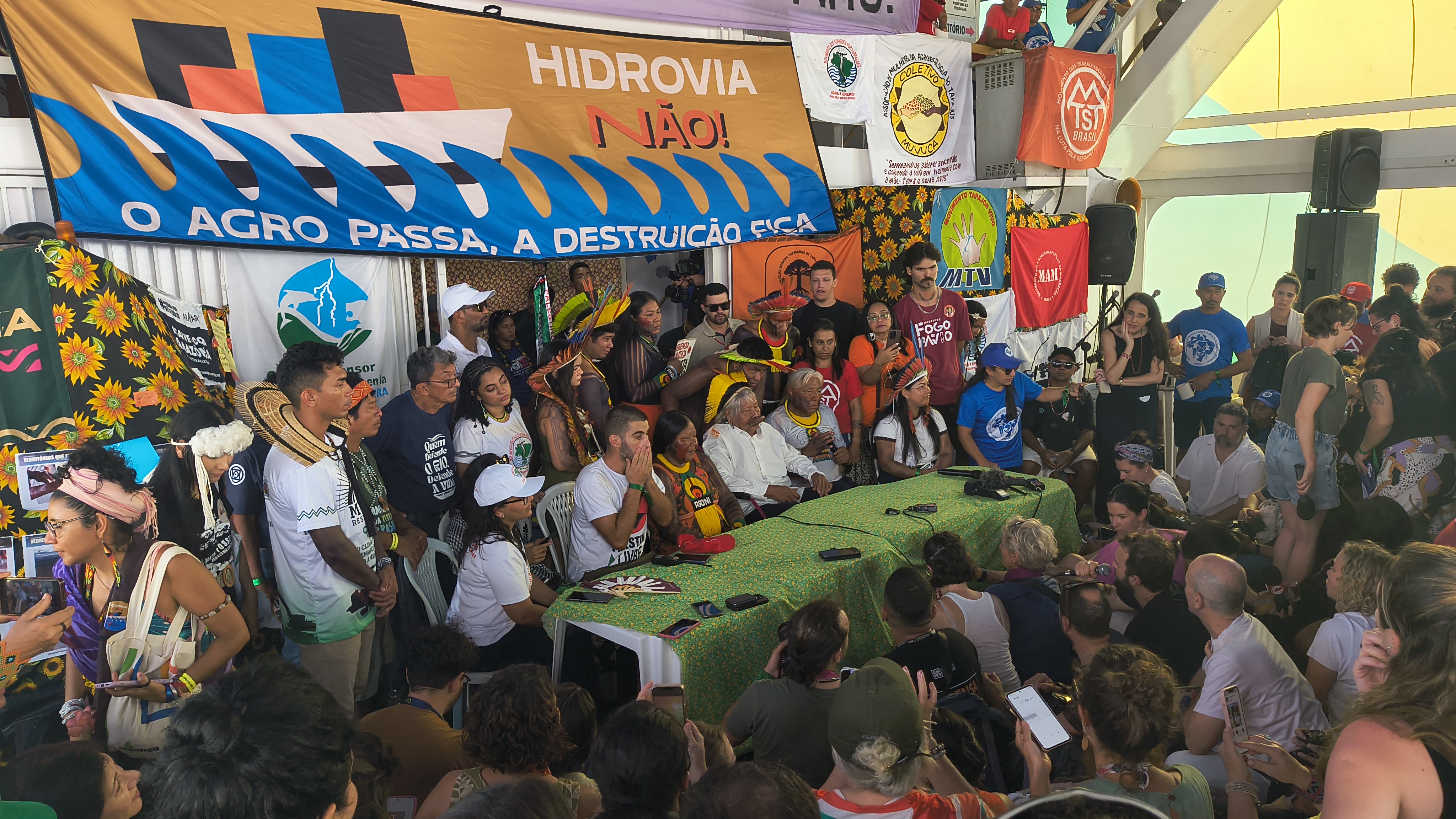
Outside the negotiating tables, social mobilization was intense and plural. Demonstrations by indigenous peoples, youth marches, symbolic acts, artistic interventions, and digital campaigns reinforced an unambiguous message: there will be no energy transition without social justice. For organizations like Revolusolar, this point is fundamental, the transition must be inclusive, decentralized, community and oriented to the reduction of inequalities. Solutions such as community solar energy show that mitigation, adaptation, and local development can go together.
Despite internal differences, COP30 went down in history. With 56,000 delegates from 194 countries, it became the second largest climate conference ever held by the UN, expanding the participation of civil society and bringing the Amazon to the center of global discussions. However, for specialists like Natalie Unterstell, the performance of the first week was “productive” only in the bureaucratic aspect, still far from the urgency required by the climate crisis. There have been no significant political landings yet.
The expectation now turns to the second week, when the ministerial phase begins, which is a time when political decisions need to be signed. Among the most critical issues are: the definition of a path to close the financial gap of adaptation; the advance in the negotiation of a just transition; and clear commitments to climate finance. Pressure is also growing for a just energy transition to appear in a structured way in the final text, with guidelines for democratic access to energy, technology transfer, and support for the capacities of each country.
For revolusolar, the balance sheet for the first week reinforces an essential point: it has never been more difficult to comply with the Paris Agreement, but the strength of civil society, communities and solutions that emerge from the bottom up has never been more evident. A just energy transition will only be possible with the direct participation of the most impacted populations, distribution of benefits, and policies that ensure that no one is left behind.
Next week will be decisive in determining whether this path will be incorporated into international agreements or whether it will continue to advance mainly through community initiatives, such as those that already transform favelas in Rio de Janeiro into a global reference for shared solar energy.
.jpg)


.jpg)