


Report presented at COP30 exposes structural inequalities and reinforces the urgency of policies that unite climate justice and racial justice in Brazil.
The first week of COP30, held in Belém, placed at the center of climate discussions a topic that has needed priority attention for years: Environmental racism. Data presented during the conference demonstrate a harsh and structural reality in Brazil. The impacts of climate change, environmental disasters, and infrastructure failures mainly affect black people, residents of favelas, suburbs, and traditional territories.
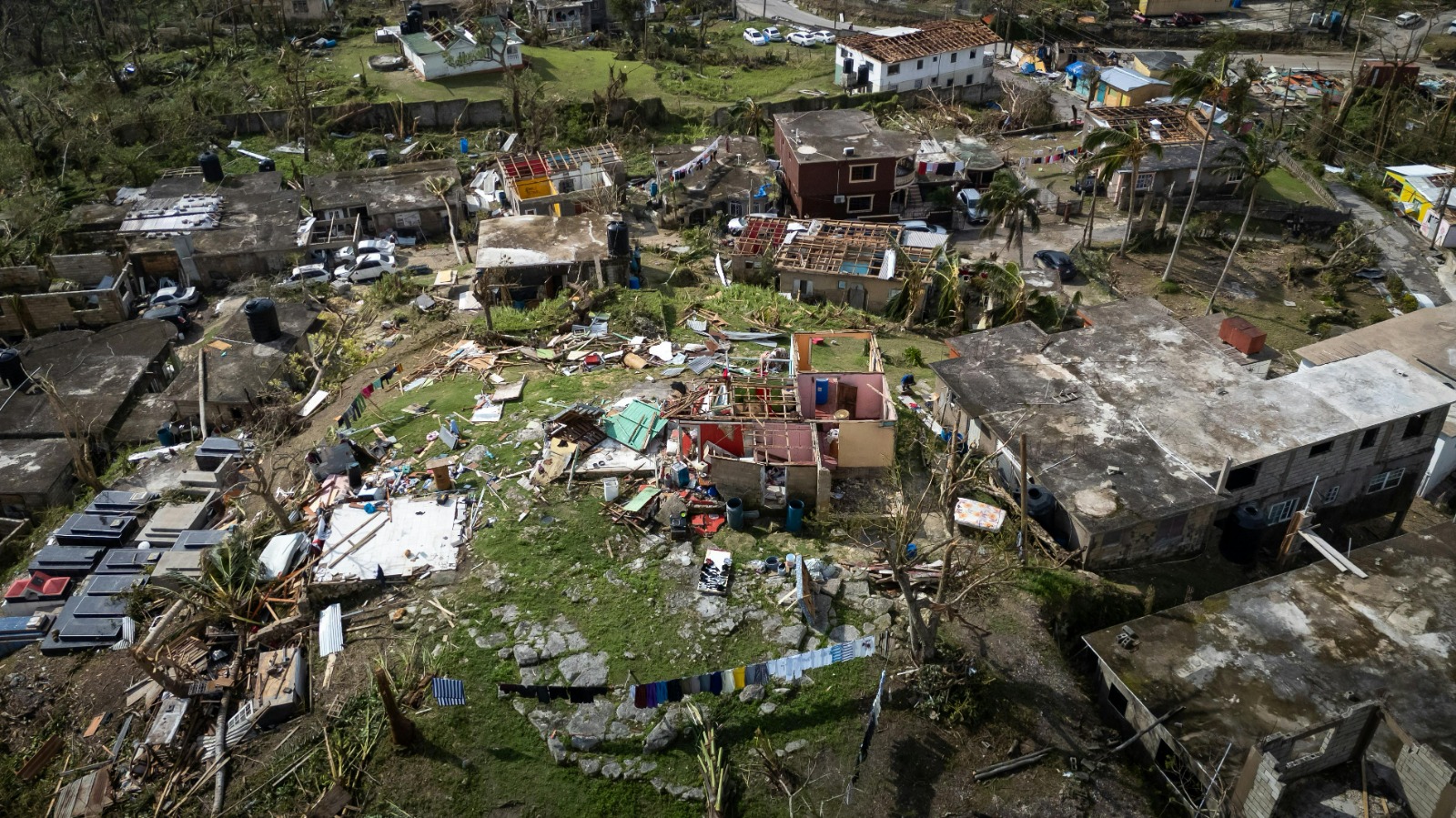
The report “Without Decent Housing, There Is No Climate Justice”, presented by Habitat for Humanity Brazil, revealed an alarming number: That 66.58% of people living in risky areas in the country are black. The analysis, carried out in 129 municipalities, shows that between 2013 and 2022, Brazil registered 2.1 million houses damaged and 107 thousand destroyed by environmental disasters. In most cases, they are families headed by black women who face the front line of climate impacts alone.
This scenario is not the result of chance, it is a direct result of environmental racism, a concept that was born in the United States in the 1980s with the activist Benjamin Chavis Jr. and which, in Brazil, began to be used in the 2000s to denounce how racial inequalities shape those who have access to basic services, security, decent housing, and environmental protection.
Despite tensions, COP30 increased the visibility of the topic. Brazil promoted debates on adaptation and presented proposals to accelerate the elimination of fossil fuels, essential to reduce climate tragedies that mainly affect vulnerable populations.
The inequalities revealed by COP30 reinforce a central message for organizations like Revolusolar: there is no true energy transition without confronting environmental racism. This means building solutions that include the peripheries, distribute benefits, and treat energy as a basic right, not privilege.
Community solar energy projects, such as those developed by Revolusolar, show that it is possible to combine the reduction of emissions, energy autonomy and the fight against social inequalities.
The climate crisis deepens existing inequalities. In many Brazilian cities, black populations live in areas that are more susceptible to floods, landslides, contamination, and poor sanitation. The victims of the recent tragedies in the metropolitan region of Rio de Janeiro, where 12 people died, reflect this reality. As highlighted by the Minister of Racial Equality, Anielle Franco, the event highlighted “environmental racism and inequality in access to services and housing”.
In addition to urban centers, quilombola communities and indigenous peoples, fundamental to the preservation of ecosystems, have their territories invaded or precarious, with little influence on decisions that impact their lands, despite protecting much of the country's biodiversity.
Researchers from the region warn that environmental racism in the North is manifested in the pollution affecting quilombos such as Barcarena and Abacatal, in the vulnerability of neighborhoods such as Vila da Barca, and in the so-called “green removals”, which are forced displacements justified by environmental policies without community participation.
.jpg)


.jpg)